
People
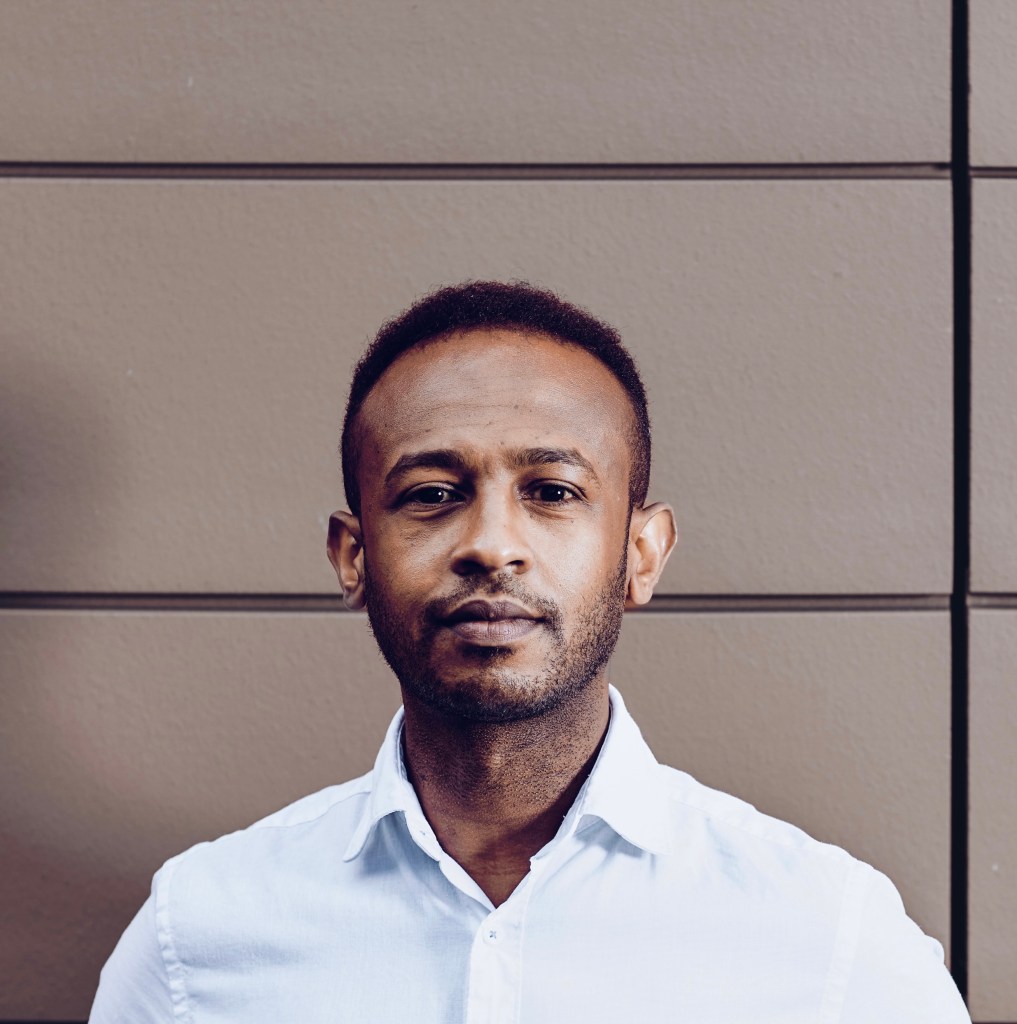
Sidahmed Abayzeed
Principal investigator
Sidahmed is founder and leader of Optocoulombics laboratory. He is a member of the Optics and Photonics Research Group and Electric and Electronic Engineering department at the University of Nottingham.
- Assistant professor, Faculty of Engineering, University of Nottingham (2022 – present)
- Nottingham Research Fellow, Faculty of Engineering, University of Nottingham (2019 – 2022), mentor: Prof Jonathan Aylott
- Research Fellow, School of Pharmacy, University of Nottingham (2018 – 2019) Dr Frankie Rawson lab
- EPSRC Doctoral Prize Fellow, Faculty of Engineering, University of Nottingham (2016 – 2018), mentor: Prof Matt Clark
- PhD in Electrical and Electronic Engineering, Faculty of Engineering, University of Nottingham (2012 – 2016), supervisors: Prof Mike Somekh, Dr Chung See, Dr Kevin Webb and Dr Richard Smith
- MSc in Bioengineering University of Nottingham, (2011- 2012)
- BEng of Biomedical Engineering, Sudan University of Science and Technology, (2003 – 2008)
Will Hardiman
Postdoctoral research fellow
Will studied Physics and Science Education (MSci, QTS) at the University of Nottingham (2014-2018), and upon completion he undertook his PhD in Biomedical Imaging with the Oxford and Nottingham Biomedical Imaging CDT (2018-2023). Through this, he joined the Optics and Photonics Research Group and developed techniques to measure viscoelasticity of single live cells using optical trapping and phonon microscopy. Since 2023, he has been a postdoctoral researcher in Dr Abayzeed’s group, developing an optical trapping sensor for static charge and local current density.
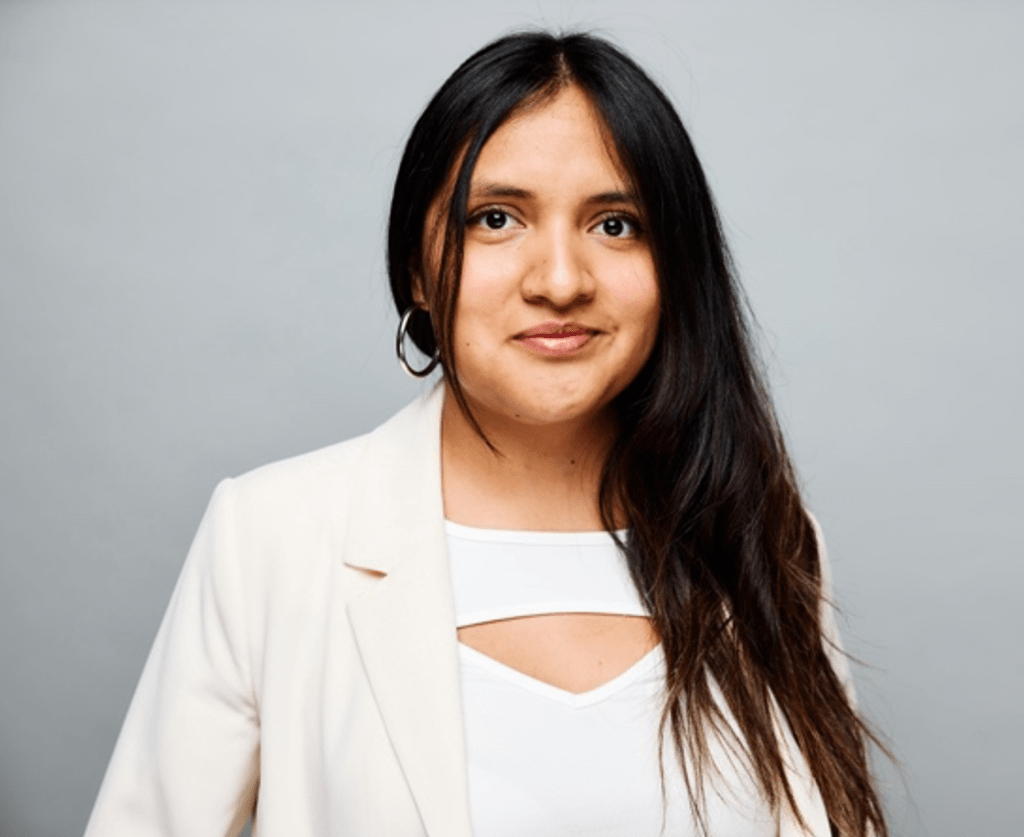
Karen Regules-Medel
PhD researcher
Karen completed her bachelor’s and master’s degrees in applied physics at the Universidad Autónoma de Puebla in Mexico, concluding in 2019 and 2021, respectively. Her master’s research delved into the simulation of Surface Plasmon Resonance for investigating protein-protein interactions, providing valuable insights into biosensor development. In 2023, Karen received Mexican government scholarship CONACYT to join Dr. Abayzeed’s team at the University of Nottingham in the UK. Her current PhD work is centred on advancing high-resolution impedance microspectroscopy, continuing her exploration of innovative techniques within the field of biomedical imaging and sensing.
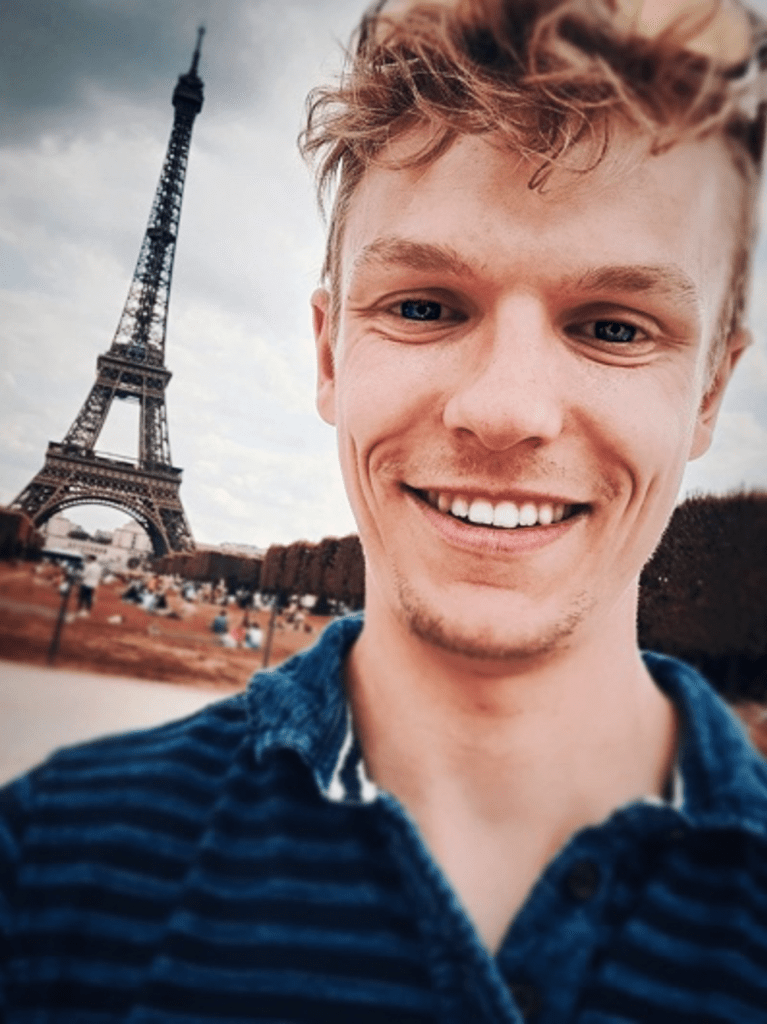
Finlay Nelson
PhD researcher
From 2015 to 2020 Finlay studied for an MEng in Biomedical engineering at the University of Glasgow. his Master’s project involved the automated acquisition of impedance spectroscopy data from a range of cell populations that informed the reliable and autonomous deduction of blind population compositions. In 2021, Finlay moved to the University of Nottingham to pursue his interest in exploring new diagnostic methods surrounding bioelectrical signalling. His PhD project is funded by the Faculty of Engineering, the University of Nottingham which aims to develop a new imaging technique for high content imaging of electrical properties of living cells.
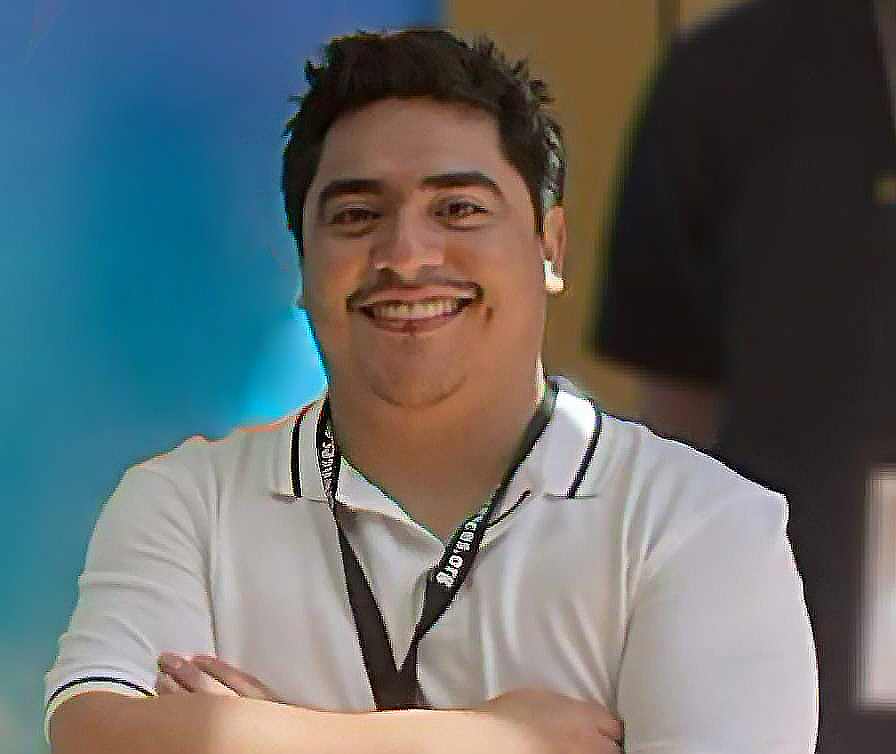
Oscar Barajas González
PhD researcher
Oscar completed bachelor’s degree in Mechatronics from Universidad Autonoma de Nuevo Leon, Mexico between 2009 and 2014 with focus in biomedical devices. He then completed Master of Science in Bioengineering from 2018 to 2019 at the University of Nottingham, UK. The focus on his MSc project was Improving artifacts correction from a continuous EEG recorded during fMRI to identify the alpha oscillations generated in the attention process. He received Mexican government funding CONACYT to pursue his PhD research exploring new voltage microscopy technique with interest in imaging neuronal signalling.
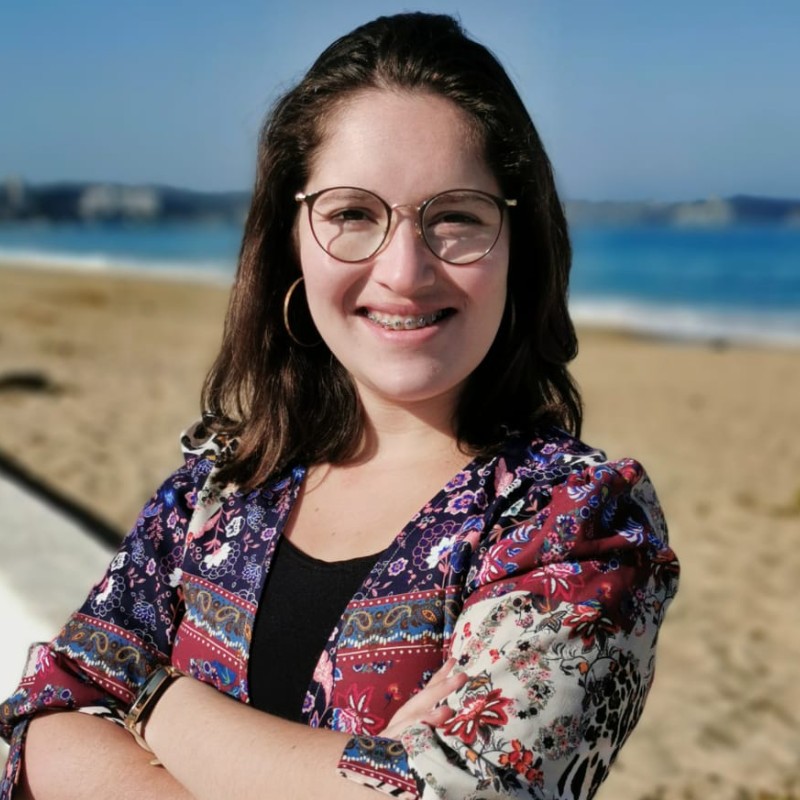
Andrea Faúndez Quezada
Research assistant
Andrea holds a degree in Civil Industrial Engineering from Universidad Técnica Federico Santa María, Chile, graduating in 2017. Subsequently, she pursued a Master’s degree in Data Science at Universidad del Desarrollo to strengthen her expertise in machine learning. With four years of experience as a Data Scientist across various industries, Andrea was awarded the Becas Chile scholarship by ANID for the completion of her Master of Science in Bioengineering at the University of Nottingham in 2023. Her research focuses on utilizing deep learning models to improve the signal-to-noise ratio in signals obtained through surface plasmon resonance technique.
 Abayzeed lab