Research

Exploring nanoscale electric and electrostatic charge in living systems — from single cells to whole organisms.

Overview

We conduct interdisciplinary research that explores nanoscale electric and electrostatic charge with a particular focus on living systems in healthy and diseased conditions. We develop novel methods from initial sensing concepts to innovative applications in biology, electrochemistry, and materials — involving sensor development using state-of-the-art nano/micro fabrication, precision optical measurement systems, customised data analysis, and theoretical research integrating physical chemistry models with optical models to understand charge carriers and light interactions.

Applications
Where we apply our science
01

Networks

Label-Free Imaging of Pancreatic Beta Cell Networks

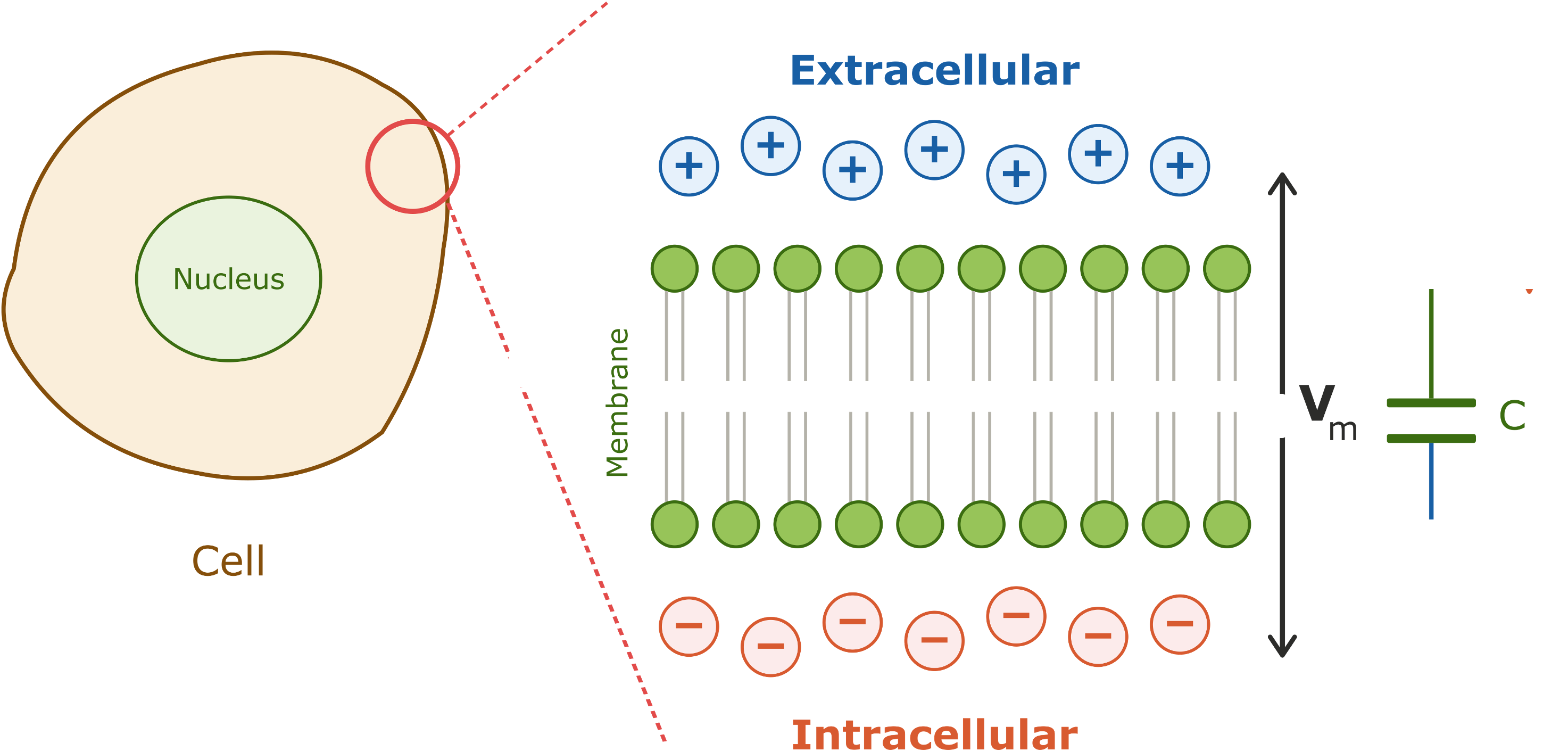
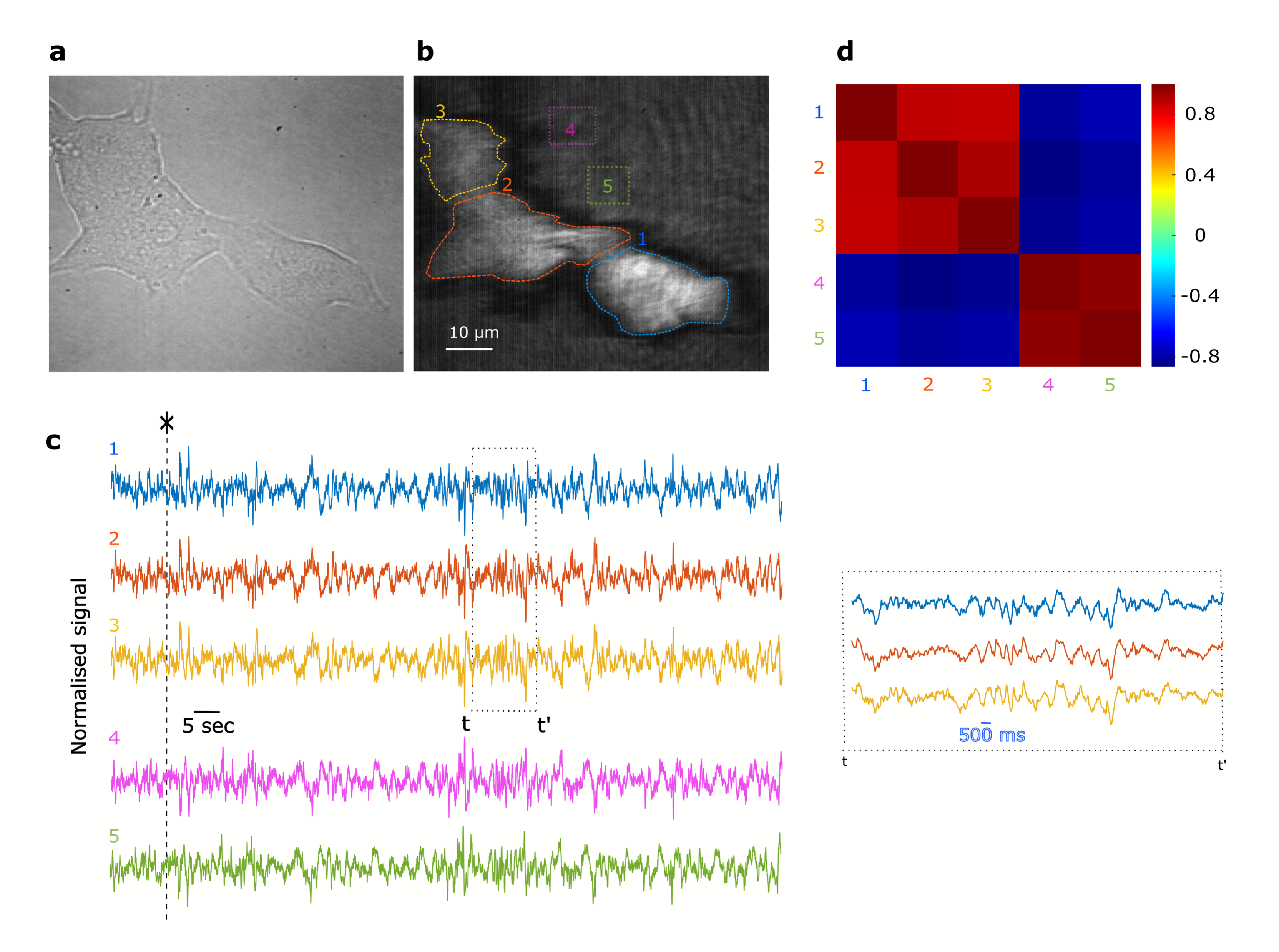
Diabetes affects over 422 million people worldwide. Beta cells — the insulin-secreting units of the pancreas — operate as tightly coordinated networks, and disruption of this collective behaviour is a hallmark of disease. We are developing label-free optical methods to image beta cell network activity without dyes or genetic modification, giving the diabetes research community a new lens for studying how these networks function in health and break down in disease.

Beta Cell
Networks
Neural
Circuits
02

Circuits

Deciphering Neural Circuits in Living Organisms

The nervous system orchestrates behaviour through billions of interconnected neurons, yet tracking their electrical activity in living organisms remains a major challenge. Using C. elegans — a transparent organism with a fully mapped nervous system — we are building label-free optical tools to image bioelectrical signalling across intact neural circuits in vivo, offering a fundamentally new way to study how neural circuits encode behaviour and become disordered in neurological disease.

03

Charge Optics Fundamentals

How Ionic Charge Couples to Light

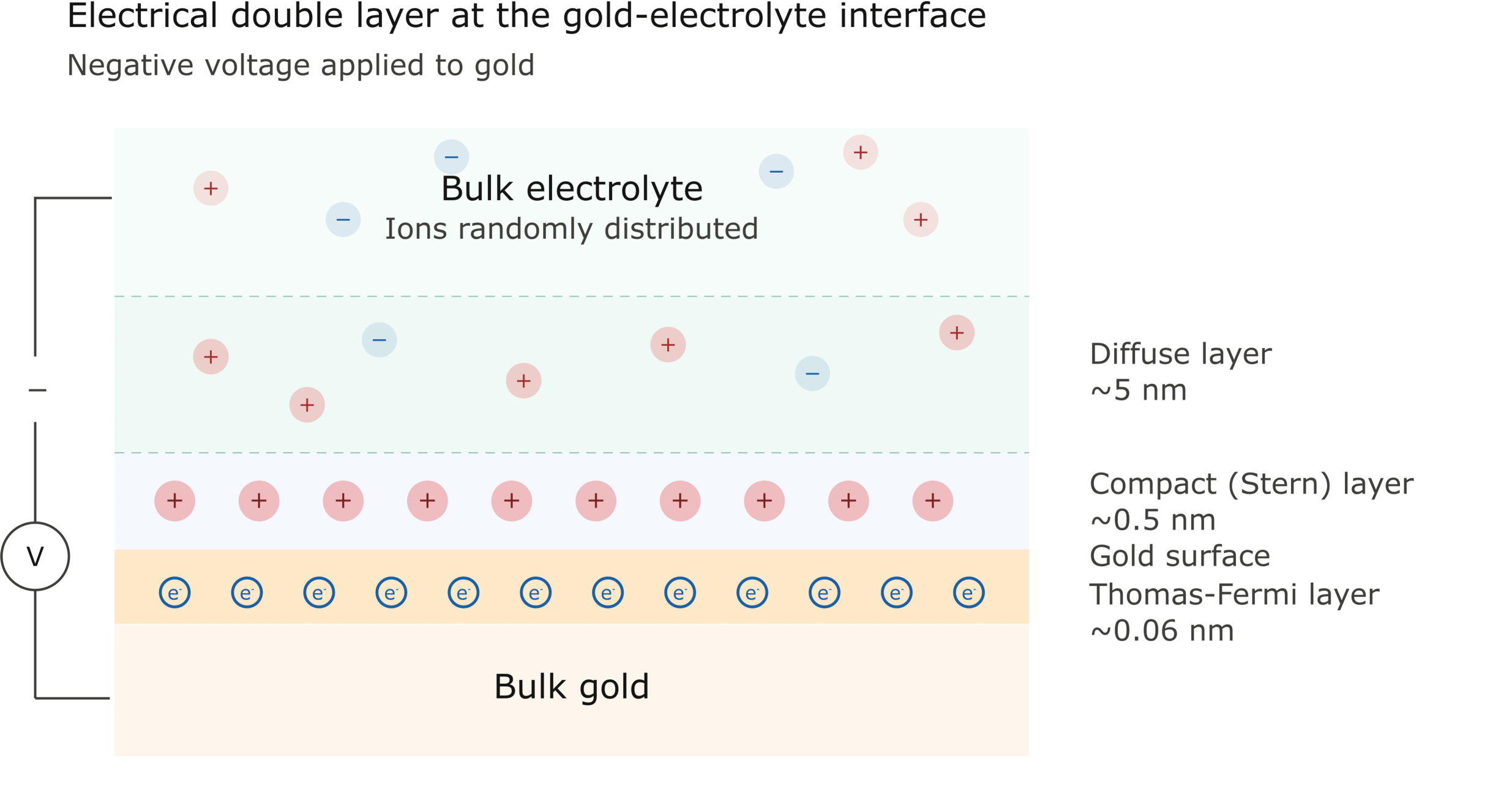
Every electrochemical interface — from a battery electrode to a cell membrane — involves nanoscale ionic distributions that shape function. Our recent work demonstrated the first optical method to separate cation and anion contributions at electrified surfaces through their differential polarizabilities. We are building a comprehensive framework linking Debye-length-scale charge dynamics to plasmon resonance shifts — advancing fundamental physical chemistry and electrochemistry while enabling applications across energy storage, biosensing, corrosion science, and electrocatalysis.

Charge–Light
Coupling
Tools
How we build the science

Electrostatic Microscopy

3D Charge & Force Sensing

We develop tools to detect tiny charges and forces within microenvironments, combining optical trapping with custom electrochemical setups for mapping electrostatic charges around live biological samples in three dimensions.

Optical trapping Electrochemistry 3D mapping
🔬

Impedance Microscopy

Bioelectric Imaging Platform

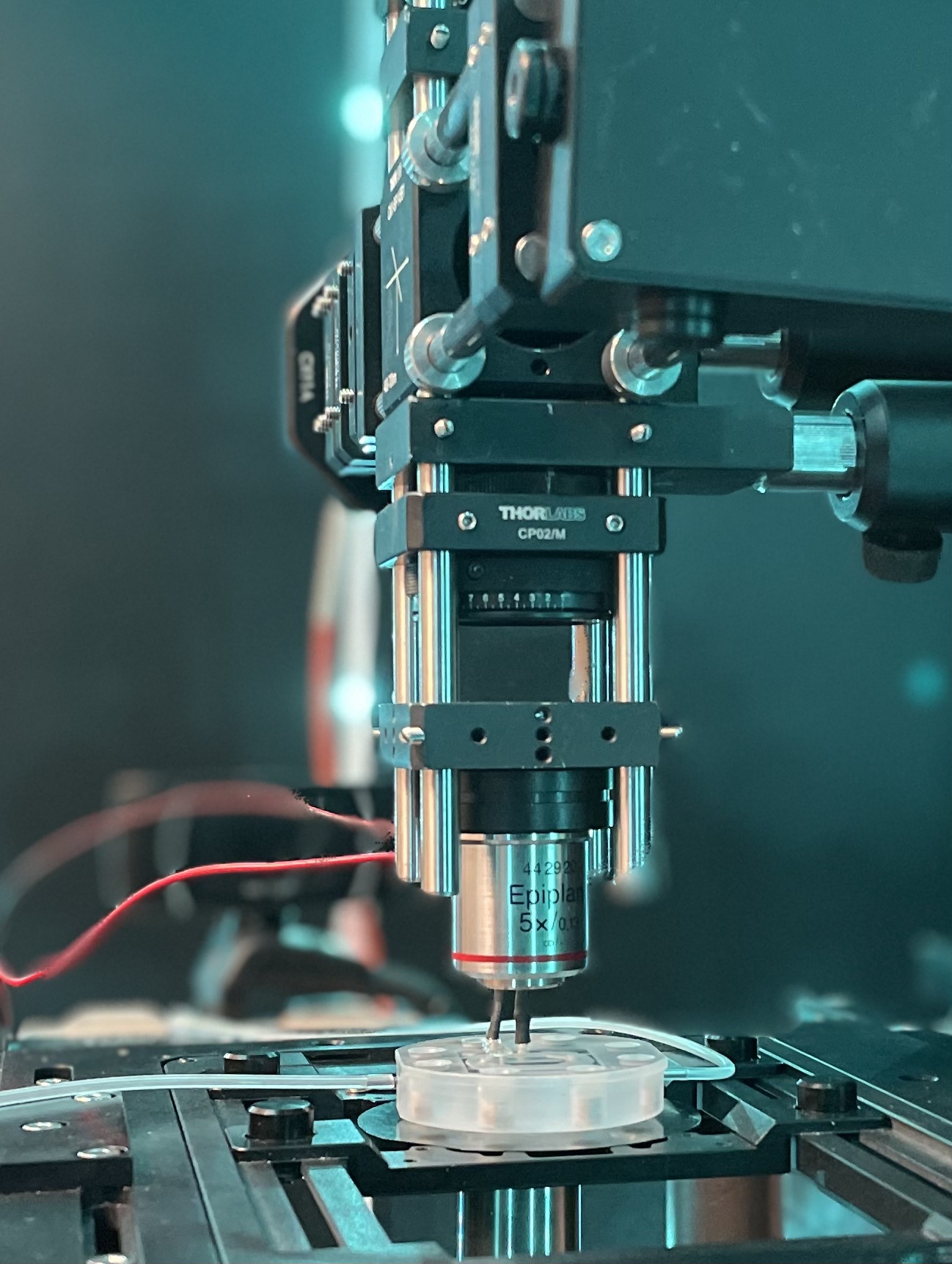
We are building a novel microscopy platform for studying the electrical properties of biological tissue with sub-microscopic resolution — a multimodal impedance optical microscope for fine-grained imaging of single cells in health and disease.

Impedance spectroscopy Sub-cellular resolution Multimodal
🧠

AI-Enhanced Detection

Signal Processing & Deep Learning

Our microscopy techniques face the challenge of extracting minute signals from highly noisy environments. We leverage artificial intelligence to exceed the capabilities of traditional signal processing, enabling deeper understanding of the samples under investigation.

Deep learning Noise reduction Signal recovery
💡

Label-Free Voltage Sensing

Plasmonic Detection

We provide highly sensitive detection of voltage changes without dyes or scanning probes. Using techniques such as surface plasmon resonance (SPR), we investigate new approaches for enhanced optical voltage sensing using thin metallic films with various optical configurations.

SPR Thin films Dye-free